What are the various career tracks in sports?
Nirav Muthiyan 16 September 2026 Career Pathways
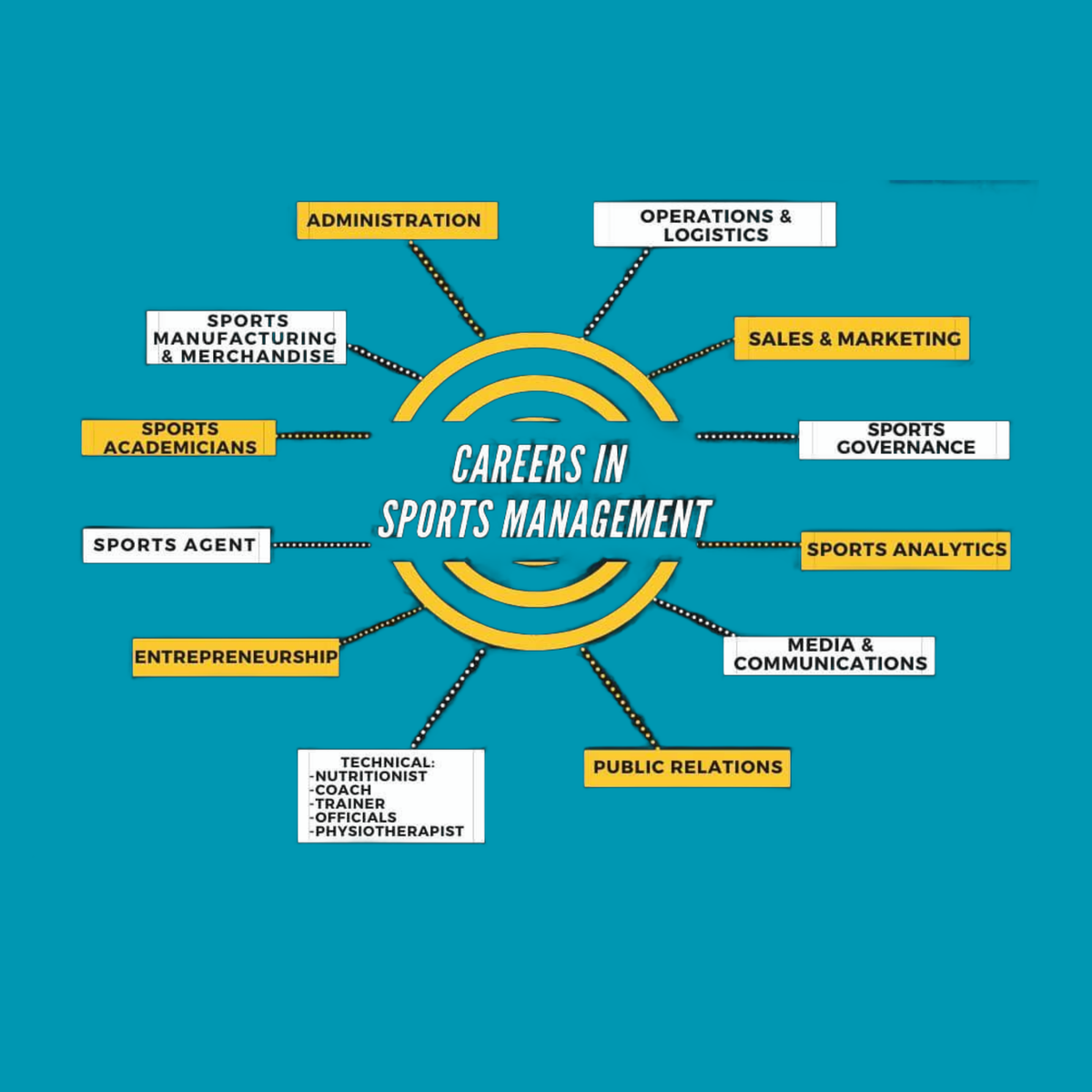
When I first imagined working in sports, I pictured something glamorous: working for a team or league like the NBA, NFL, or FIFA, traveling with the organization, earning well, and living what I thought would be the ideal career.
Reality hit when I started studying Sport Management at GW and gained experience through part-time and seasonal roles with organizations including the Washington Spirit, D.C. United, and Monumental Sports & Entertainment. I also had the opportunity to volunteer with FIFA during the 2025 Club World Cup matches in Washington, D.C., and the FIFA Final Draw.
But the more experience I gained, the more I realized one important thing about the sports industry: it's not one simple career path. It's an entire ecosystem of them.
So, what are the various career tracks? Let's take a look.
Event Operations
Event operations is the behind-the-scenes work that makes games, concerts, tournaments, and other events happen—from preparation and logistics to execution and guest experience.
Partnerships
Partnerships professionals work with brands and sports properties to develop partnerships, create activations, manage relationships, and deliver value to both sides.
Ticket Sales
Ticket sales involve connecting fans with the right ticket products, from full-season and half-season plans to single-game tickets and other packages.
Sports Finance
Sports finance is for people who enjoy working with numbers. I wasn't one of them, so this was never the career track for me. Finance teams support areas such as budgeting, financial planning, revenue, expenses, and reporting.
Sports Law
Sports law covers the legal side of the industry, including contracts, athlete representation, intellectual property, disputes, labor relations, and league regulations. It helps protect the interests of athletes, teams, leagues, and other stakeholders.
Data Analytics
Data analysts use information to evaluate athlete performance, understand team strategy, analyze fan behavior, and identify business trends. These insights help coaches, athletes, and sports organizations make more informed decisions.
Sports media & marketing
Sports media and marketing focus on how sports organizations connect with and engage their audiences. This includes content creation, social media, broadcasting, public relations, branding, campaigns, and fan engagement.
The Broader Sports Ecosystem
Not every opportunity connected to sports sits within a team, league, or governing body. A broader network of companies also works with sports organizations, including technology providers, consulting firms, agencies, hospitality companies, media organizations, and event companies.
These businesses may not be sports organizations themselves, but they play an important role in helping the industry operate and grow. A sports technology company, for example, might provide software to help a team manage its operations, while an agency might support sponsorship, marketing, or fan engagement.
For anyone trying to break into sports, this is an important distinction: your first opportunity doesn't necessarily have to come from a team. A company that serves the sports industry can provide a path into the same ecosystem while helping you develop skills that can transfer across the industry.
These career tracks and opportunities also don't operate independently.
Let's look at this through the lens of a real-world example. I work with the Washington Spirit as an Operations Assistant, where I support stadium setup and teardown on matchdays. But operations doesn't work in isolation. When the Spirit runs a partnership activation, our team may work alongside the partnerships team to help set up and execute it.
From the outside, that might look like one job. In reality, it involves multiple areas of the sports business working together, operations helping bring the activation to life, partnerships managing the relationship with the sponsor, and marketing helping connect the activation to the fans.
That's what makes working in sports interesting. You may enter the industry through one career track, but you'll quickly see how closely connected the different parts of the business really are.
Put It Into Practice: Find Your Career Track
You don't need to know your ideal sports job yet. This activity will help you narrow down which career tracks are worth exploring.
Step 1: Identify what you enjoy.
Choose the activities that appeal to you most:
Building relationships and communicating with people
Organizing events and solving problems
Working with numbers, data, and patterns
Creating content, campaigns, or stories
Negotiating, selling, or developing business opportunities
Understanding rules, contracts, and regulations
Step 2: Choose two career tracks to investigate.
Based on your selections, choose two areas from the Guide, such as partnerships, event operations, data analytics, media and marketing, finance, or sports law.
Career track 1: ____________________
Career track 2: ____________________ Step 3: Research one real job in each area.
Search for job descriptions on an organization's careers page or LinkedIn.
For each role, record:
One responsibility that interests you
One skill the employer requires
One experience or qualification that could help you prepare
Step 4: Compare your findings.
Which role sounds more appealing after looking at the actual responsibilities, rather than just the job title?
My next career track to explore: ____________________
What this reveals: Career interests become more useful when you connect them to real responsibilities and employer expectations. Treat your choice as a starting point, not a permanent commitment.