How to break into the sports industry
Nirav Muthiyan 5 October 2026 Career Pathways
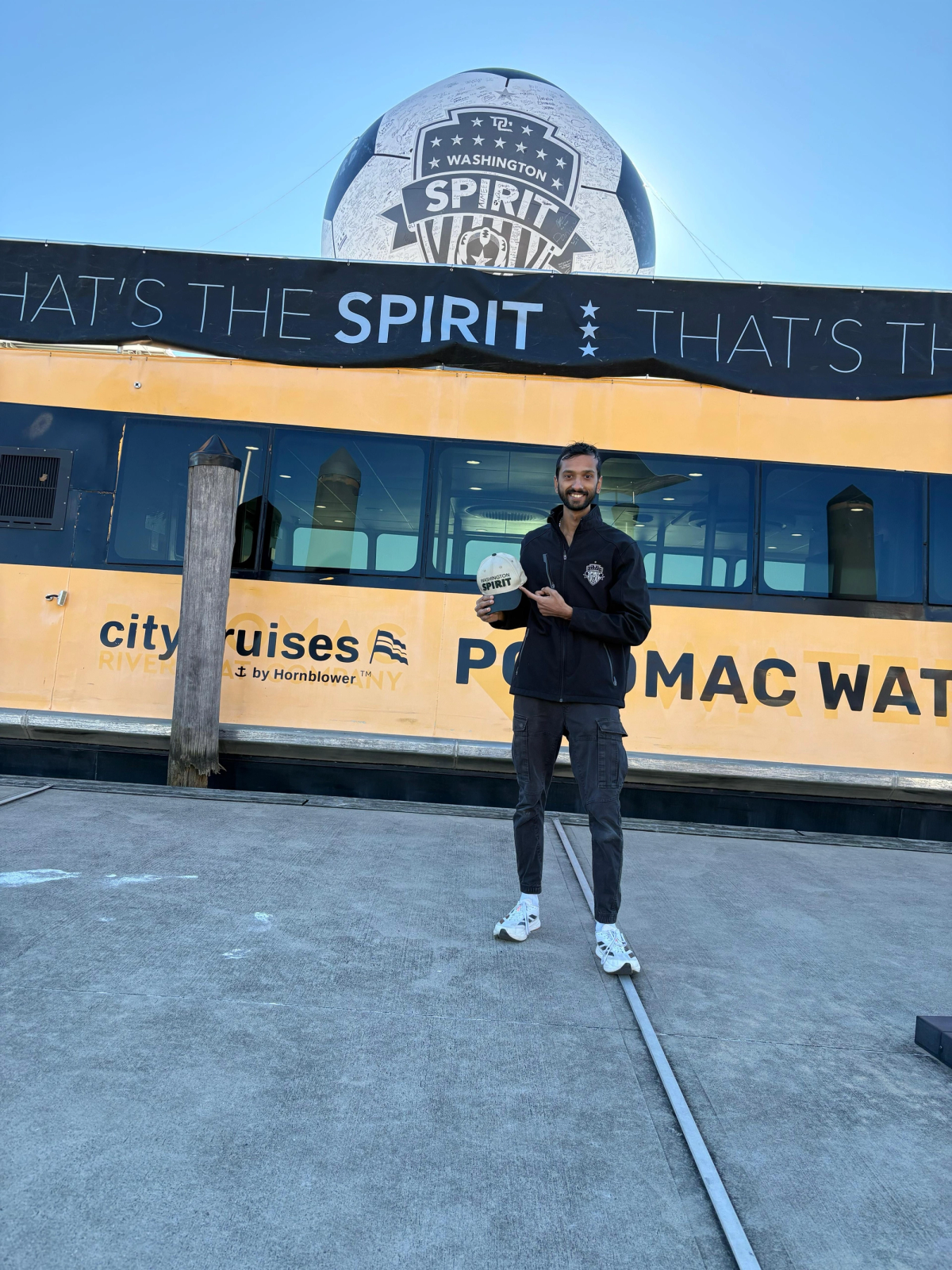
After understanding what the sports industry really is, what sport management means, and the various career tracks within the industry, it's fair to ask: How do you actually break into sports? If you've started researching the industry or networking with professionals, you've probably heard the same advice I heard countless times: “Keep networking and building relationships.” Networking matters, but is it enough? Not on its own. You also need to understand where opportunities exist, which skills employers are looking for, and how you can demonstrate that you're ready to contribute. One thing aspiring sports professionals often overlook is that your first opportunity in sports doesn't necessarily have to come from a sports organization. Look Beyond Teams, Leagues, and Sports Agencies When people think about working in sports, they often focus on professional teams, leagues, governing bodies, and sports agencies. But the industry extends far beyond these organizations. Consumer brands, technology companies, consulting firms, media organizations, and hospitality businesses also contribute through partnerships, products, and services. Consider a consumer brand that sponsors an NBA team. While the team employs professionals who manage the partnership, the brand also needs people to develop sponsorship strategies, coordinate activations, manage relationships, and measure results. These responsibilities create potential opportunities on the brand's side, even though the employer isn't a sports organization. The same applies to technology companies providing software to teams or consulting firms advising sports organizations. Working for a sports organization and working with the sports industry are not always the same thing. Limiting your search to teams and leagues can mean overlooking relevant opportunities elsewhere. The sports-adjacent route isn't necessarily easier or better for everyone, but it's another path worth considering. Build Skills Before You Have the Job Title Expanding your search is only part of the process. You also need to demonstrate that you can do the work. When I first explored the sports industry, I was interested in event operations. I volunteered and took on several part-time and seasonal roles that gave me hands-on experience. Over time, however, I realized I was more interested in partnerships. Rather than waiting for a partnership role to appear, I looked for an opportunity to develop the relevant skills. That led me to work as an independent Business Development Representative for a sports technology company, where I gained experience in relationship building, sales, communication, and strategic thinking. At the Washington Spirit, I also began looking beyond my operational responsibilities. I paid attention to fan behavior and partnership activations, looking for opportunities to improve the fan experience. When I identified ideas, I brought them to my manager. That experience taught me something important: you don't always need the title of the role you want to start developing the skills for it.
Put It Into Practice: Map Your Route Into Sports
Set aside 15 minutes for this exercise. Your goal is to identify potential employers and one concrete step toward a career in sports.
1. Choose a career track. Pick an area that interests you, such as partnerships, marketing, analytics, operations, or finance. My area of interest: ____________________
2. Identify three potential employers. Find one sports organization and two companies outside traditional sports organizations that work with the industry. Think about sponsors, technology providers, consulting firms, or event companies. - Sports organization: ____________________ - Sports-adjacent company 1: ____________________ - Sports-adjacent company 2: ____________________
3. Find the skills you need. Review a relevant job description from one of these employers. Identify two required skills and consider how you could develop them through volunteering, an internship, a personal project, or your current role. - Skill 1: ____________________ - Skill 2: ____________________
4. Take one action this week. Research a company, contact a professional, explore an opportunity, or start a project that demonstrates a relevant skill. My next action: ____________________ Deadline: ____________________ You don't need a complete career plan by the end of this exercise. The aim is to discover a route you may have overlooked and take one step toward it. There's More Than One Way In Breaking into sports isn't simply about knowing the right people or landing a job with a recognizable team. It's about understanding how the industry works, identifying where your interests and skills fit, and finding opportunities to demonstrate your value. Sometimes that opportunity will come from a team, league, or sports agency. Other times, it may come from a company that helps power the industry. The key is to look beyond the job you want and understand the wider ecosystem that could help you get there.